The Role of IT in Streamlining Business Operations
In today's fast-paced business landscape, the role of Information Technology (IT) in streamlining operations is more critical than ever. Companies are leveraging IT solutions to enhance efficiency, reduce costs, and improve decision-making processes. By integrating advanced technologies, businesses can automate tasks and optimize workflows, ensuring they remain competitive.

Enhancing Operational Efficiency
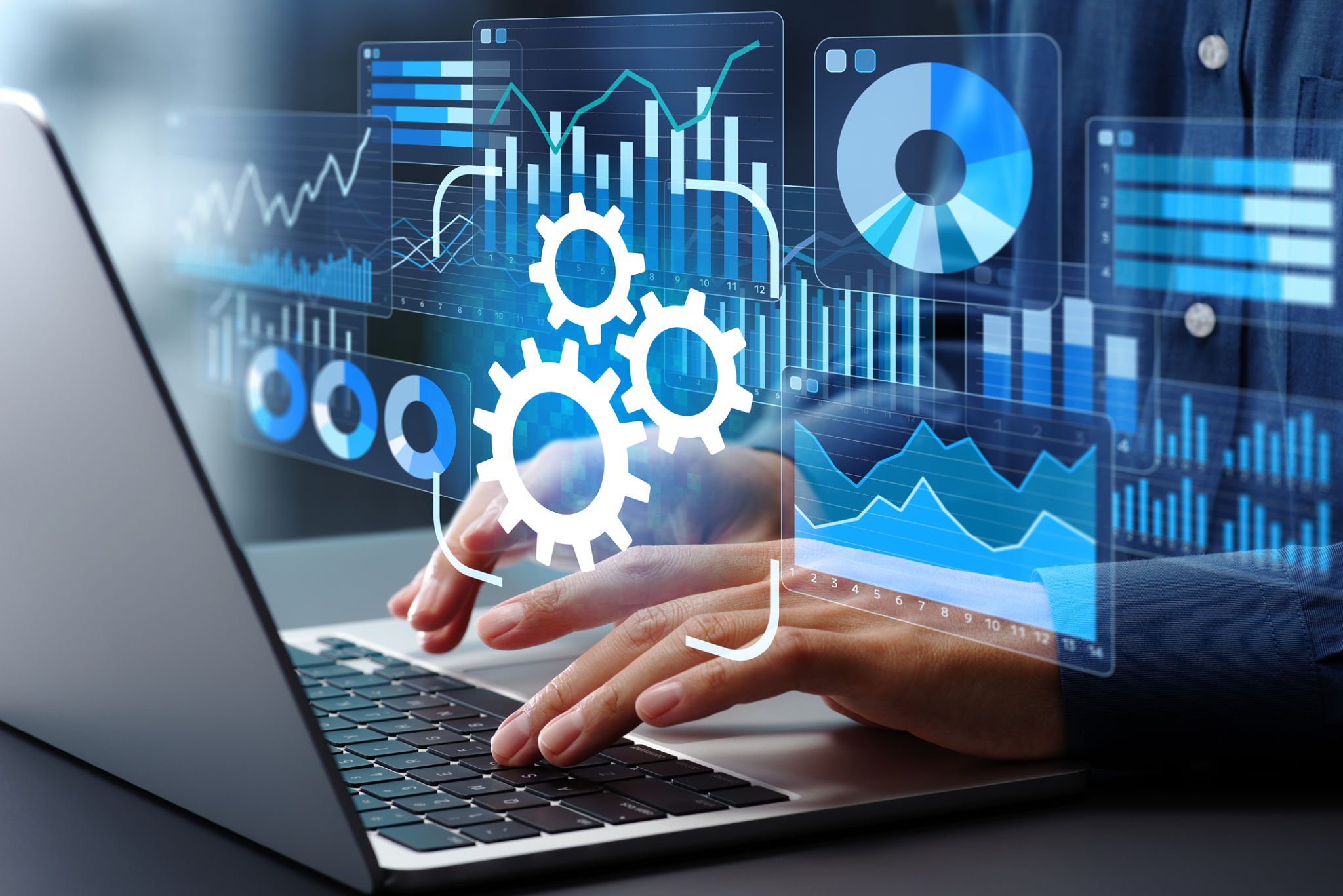
One of the primary ways IT contributes to streamlining business operations is by enhancing efficiency. IT systems facilitate the automation of routine tasks, allowing employees to focus on more strategic functions. Automated processes reduce human error and increase accuracy, leading to improved productivity.
Moreover, IT solutions enable real-time monitoring and management of operations. Businesses can track performance metrics, identify bottlenecks, and make informed decisions quickly. This capability is crucial for maintaining operational agility and responding effectively to market changes.
Cost Reduction and Resource Optimization
Implementing IT solutions can significantly reduce operational costs. Automation minimizes the need for manual labor, reducing overhead expenses. Cloud computing, for instance, allows businesses to store and manage data without the need for expensive on-site infrastructure, saving on maintenance and energy costs.
Additionally, IT facilitates resource optimization by providing insights into resource allocation and utilization. Businesses can identify underused resources and reallocate them to areas where they are needed most, ensuring optimal use of assets.
Improving Communication and Collaboration
Effective communication and collaboration are vital for any business's success. IT plays a crucial role in connecting teams, regardless of their geographical location. With tools like video conferencing, instant messaging, and collaborative platforms, employees can work together seamlessly, sharing information and ideas in real time.
These technologies not only enhance teamwork but also foster innovation, as teams can collaborate across departments and bring diverse perspectives to problem-solving. This improved collaboration leads to faster project completion and better outcomes.

Data-Driven Decision Making
Data is at the heart of informed decision-making in modern businesses. IT systems provide businesses with the tools to collect, analyze, and interpret vast amounts of data. By using data analytics, companies can gain insights into customer behavior, market trends, and operational performance.
This data-driven approach allows businesses to make strategic decisions that align with their goals and objectives. It enables them to anticipate market needs, tailor products and services, and ultimately enhance customer satisfaction.
Enhancing Customer Experience
IT also plays a pivotal role in enhancing the customer experience. Through CRM systems and personalized marketing strategies, businesses can engage with customers on a more personal level. IT solutions allow for the collection and analysis of customer feedback, enabling businesses to refine their offerings and improve service delivery.
A seamless customer experience leads to increased loyalty and retention, which is crucial for long-term success. By leveraging IT, businesses can ensure they meet and exceed customer expectations.
In conclusion, the integration of IT in business operations is no longer optional; it is a necessity. By enhancing efficiency, reducing costs, improving collaboration, enabling data-driven decisions, and elevating customer experiences, IT is transforming the way businesses operate and compete in the modern world.